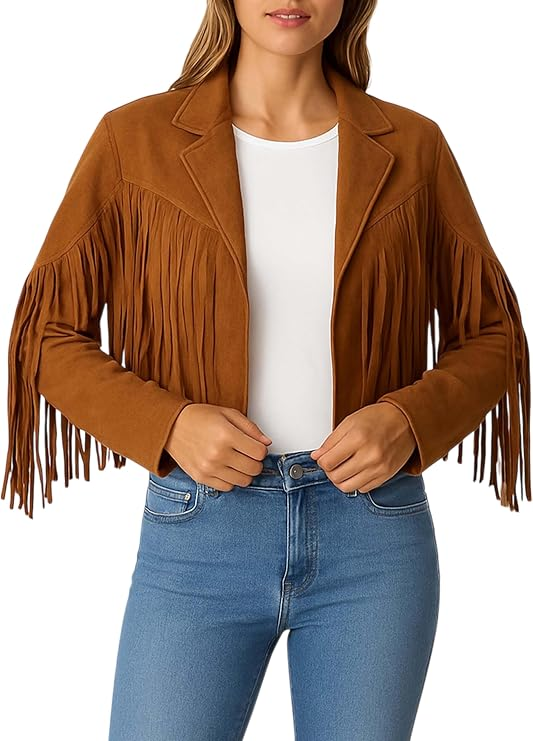
Some jackets make an entrance because of their color; others earn their place through a sharp collar or a useful length. This guide looks past the hero image and asks how a jacket will sit over the boots and bags already in the mix, so the layer you choose works across seasons.
Fit: length, shoulder, and layering
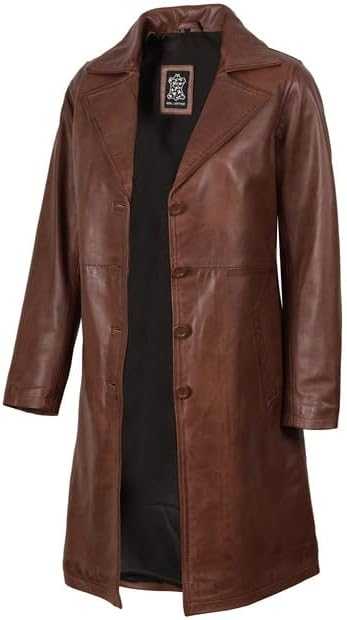
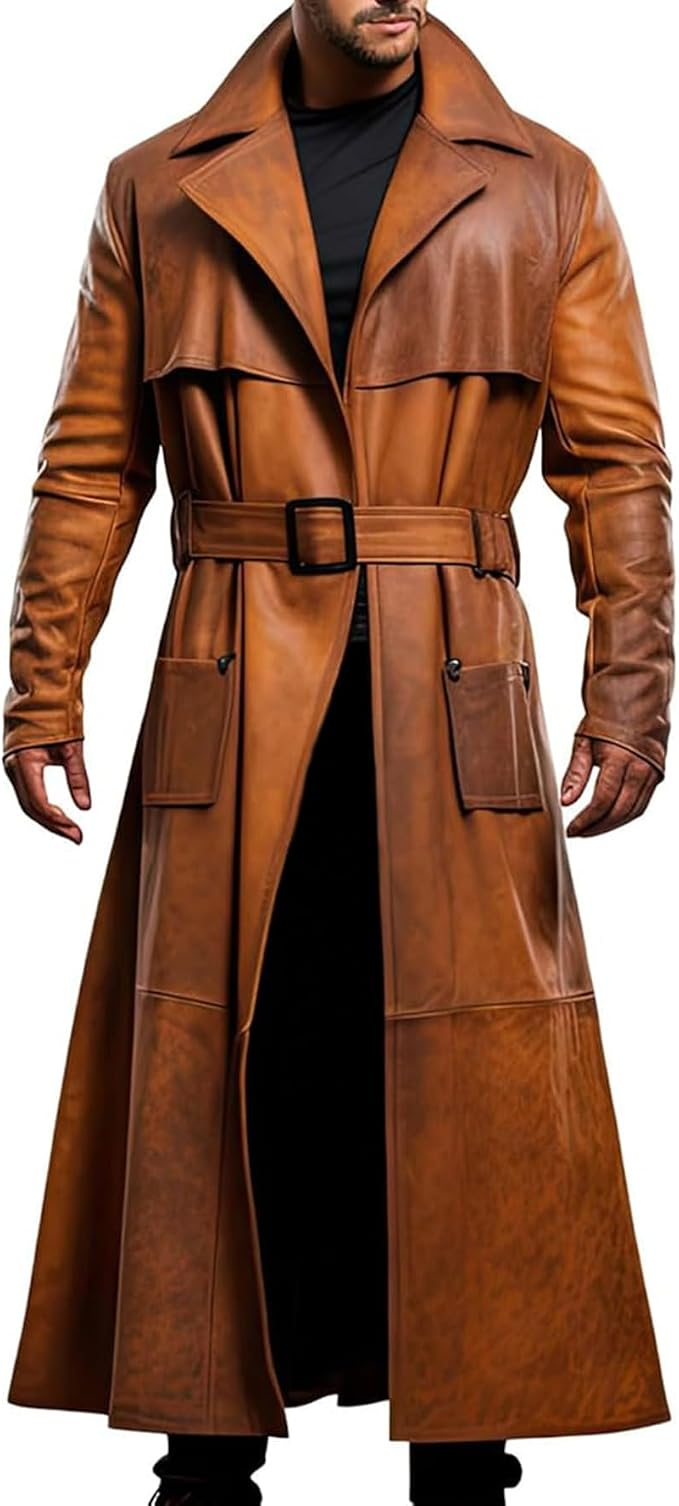
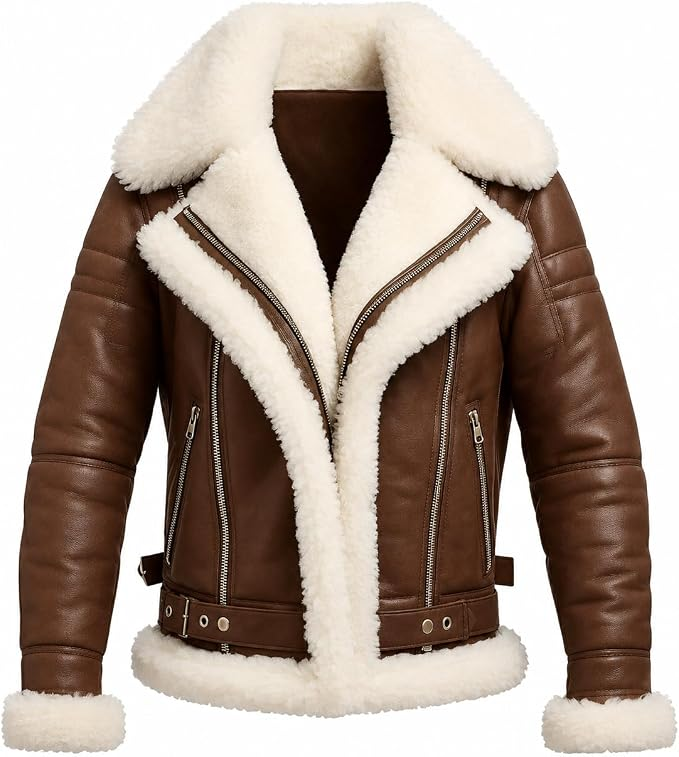
A cropped jacket draws attention to the waist and pairs naturally with higher-rise denim or a skirt. A 3/4 overcoat length covers the hip and stops above the knee, so it layers over a straight-leg jean or a boot without swallowing the silhouette. Compare the listed length with a coat you already own.
Shoulder shape matters as well. A defined shoulder can make a jacket feel more tailored, while a relaxed cut leaves more room for layers. Look for garment measurements when available, particularly if you plan to wear a knit underneath.
Materials: leather, suede, and lining
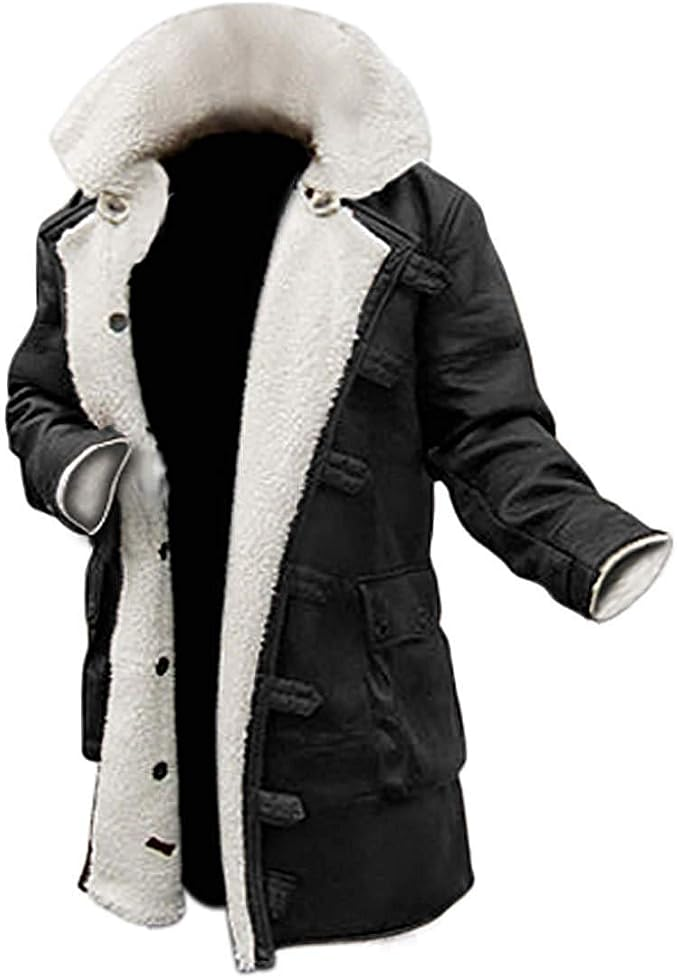
Smooth lamb leather feels lighter than a typical cowhide moto, while cognac and camel hides already do a lot of the visual work. Suede adds movement and a softer hand, but it needs more care in wet weather. Check the listing for the stated material — full-grain, genuine, and bonded leather each wear and age differently.
A lined jacket layers more comfortably and holds the shoulder line. Look at the zipper gauge, the collar stand, and the pocket openings in the product images. If the listing is vague about the hide, the lining, or the sizing, treat that as a reason to pause rather than guess.
Styling: let the jacket lead
Treat the jacket as the lead and keep the rest of the outfit quiet. Camel suede echoes a tan tote or a leather boot, so a white or cream top and mid-wash denim lets the cut do the work. A second strong color will compete with it.
A center zip lets you wear the jacket closed for a sharp column or open over a knit without fighting a button placket. A button-through car coat is easier to layer open over a knit than a heavy zip, but the buttons, stitching, and lining decide how it holds its shape through a season.